Nordiska museet
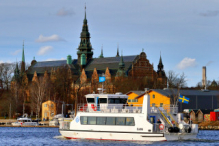
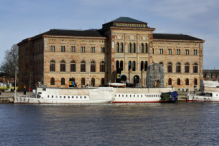
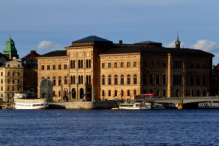
The Nordic Museum (Swedish: Nordiska museet) is a museum located on Djurgården, an island in central Stockholm, dedicated to the cultural history and ethnography of Sweden from the early modern period to the contemporary era.
The museum was founded by Artur Hazelius, who also established the open-air museum Skansen. It was originally known, from 1873, as the Scandinavian Ethnographic Collection, before being renamed the Nordic Museum in 1880.
The founding impulse came during a journey through Dalarna in 1872, when Hazelius and his wife observed folk traditions disappearing and resolved to preserve them. The first object acquired was a home-woven wool skirt from Stora Tuna parish.
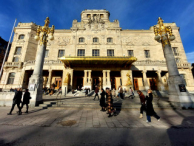
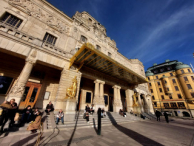
The present building, designed by architect Isak Gustaf Clason in a style influenced by Dutch-inflected Danish Renaissance architecture, was completed in 1907 after a 19-year construction process. It was intended to be three times its actual size, but was never completed to the original vision.
The museum's holdings today include over one and a half million objects, approximately seven million photographs, and an archive spanning more than 4,500 metres of shelving.
At the heart of the building stands a great hall dominated by a colossal oak statue of King Gustav Vasa.
| 













 Album:
