Széchenyi Chain Bridge, Gellért Hill, Citadella in winter
The Széchenyi Chain Bridge, a monumental symbol of Budapest, is one of the city's most iconic landmarks. Completed in 1849, it was the first permanent bridge connecting Buda and Pest, the two halves of the city. Designed by English engineer William Tierney Clark, its suspension design was revolutionary for the time. The bridge is adorned with majestic lion statues at both ends and spans the River Danube, offering spectacular views of both the city and the surrounding hills.
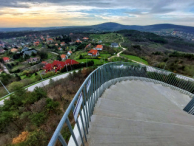
Rising majestically above the city is Gellért Hill, a prominent green hill on the Buda side of Budapest. It is known for its panoramic views of the city and the Danube River. The hill is home to several notable landmarks, including the Gellért Monument, dedicated to Saint Gerard, and the Cave Church, a unique underground chapel. The hill is also famous for the Gellért Baths, a grand spa with thermal pools that have been cherished since the early 20th century.
Atop Gellért Hill stands the Citadella, a massive fortress built in 1854 by the Habsburgs to protect the city. Today, it offers stunning views over Budapest, including the Széchenyi Chain Bridge and the Parliament building. The Citadella is a symbol of both Hungary’s turbulent history and its resilience, serving as a reminder of the city's strategic importance through the ages.
| 




















 Album:
