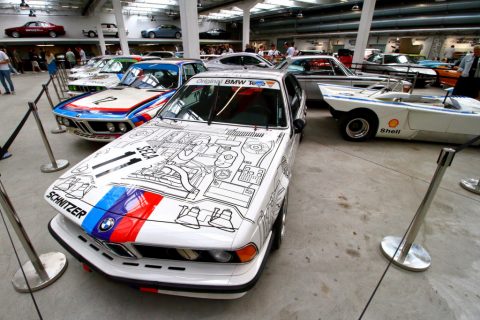
BMW E21 320
by Cavok · · Munich, Germany · night · 3 views
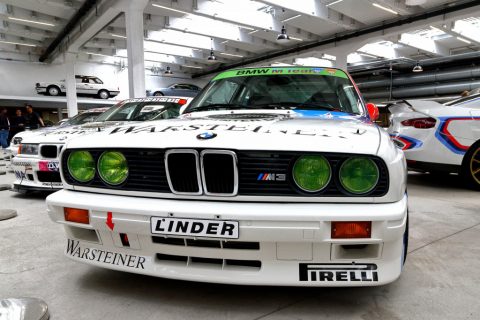
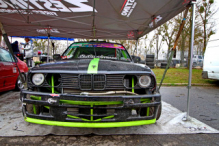
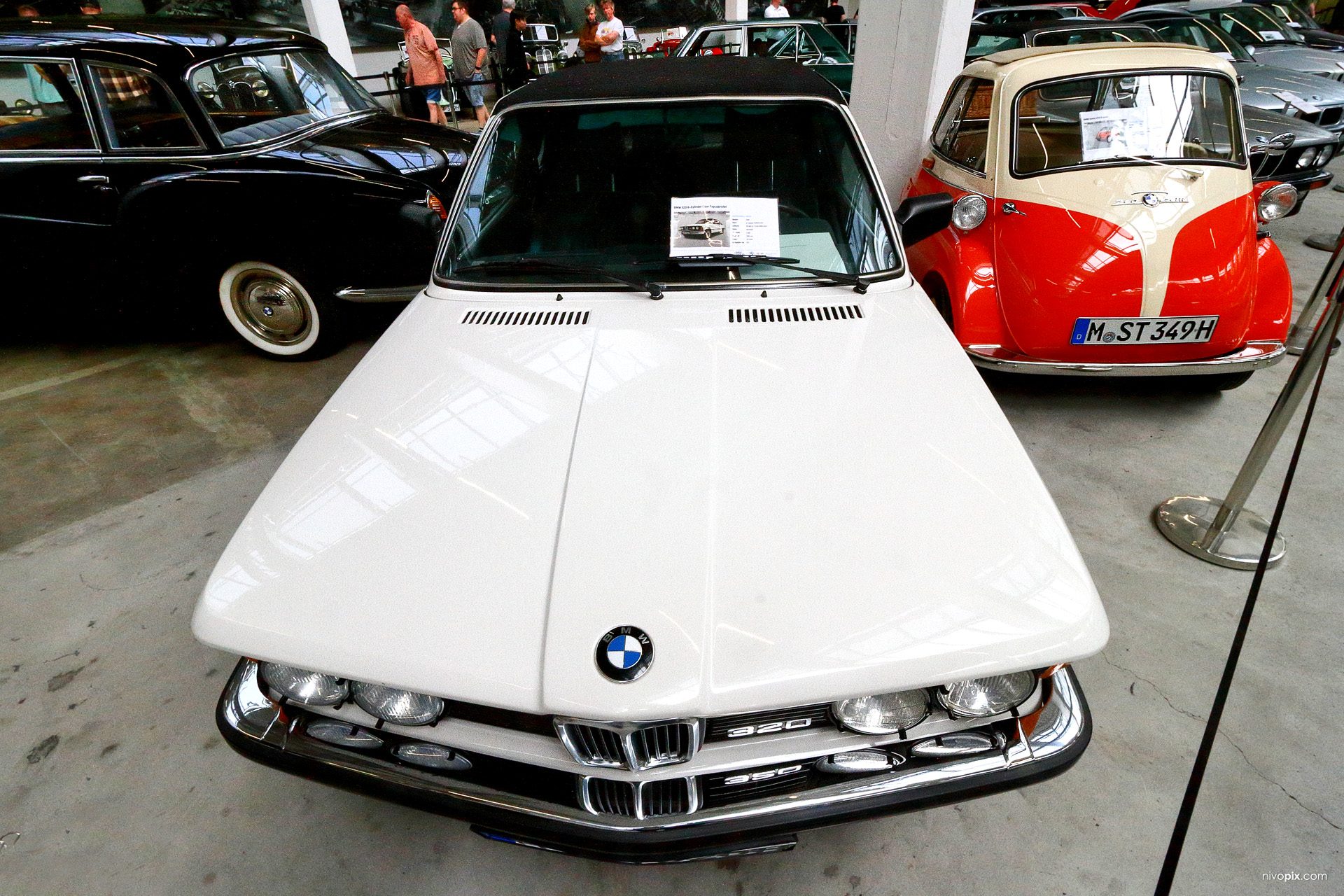
The BMW 320 was part of the first-generation 3 Series (E21), produced from 1975 to 1983 as the successor to the beloved BMW 02 Series. Built exclusively as a sporty two-door sedan/coupé (with convertible versions made by Baur), the E21 dropped the "Touring" hatchback body style of its predecessor, while six-cylinder models were distinguished by their quad round headlights instead of two.
The original 320 (1975–1977) used a carbureted M10 four-cylinder engine of 1,990cc, producing around 109 PS (80 kW) and 116 lb-ft of torque. In 1977, BMW replaced it with the **320/6**, a carbureted inline-six M20 engine of the same displacement, delivering 122 PS (90 kW) and 118 lb-ft of torque — often simply badged as the "320" despite the six-cylinder upgrade. This version could accelerate from 0–100 km/h in about 10.7 seconds and reach a top speed of roughly 181 km/h (112 mph).
Compact, rear-wheel-drive, and characterized by BMW's classic sporty handling, the E21 320 helped establish the 3 Series as the benchmark for the sports sedan segment — a reputation the nameplate has carried through every generation since.
The original 320 (1975–1977) used a carbureted M10 four-cylinder engine of 1,990cc, producing around 109 PS (80 kW) and 116 lb-ft of torque. In 1977, BMW replaced it with the **320/6**, a carbureted inline-six M20 engine of the same displacement, delivering 122 PS (90 kW) and 118 lb-ft of torque — often simply badged as the "320" despite the six-cylinder upgrade. This version could accelerate from 0–100 km/h in about 10.7 seconds and reach a top speed of roughly 181 km/h (112 mph).
Compact, rear-wheel-drive, and characterized by BMW's classic sporty handling, the E21 320 helped establish the 3 Series as the benchmark for the sports sedan segment — a reputation the nameplate has carried through every generation since.
Labels on this photo
- BMW 3 Series (E21) Make: (e.g.: Volkswagen): BMW · Model: (e.g.: Golf): 320 · Generation: (e.g.: Mk4): E21 · Primary color:: white · Model year:: 1975 · Body style:: saloon · Doors:: 4
-
Isetta
Make: (e.g.: Volkswagen): BMW · Model: (e.g.: Golf): Isetta · Primary color:: red · Body style:: microcar · Doors:: 1 The Isetta is one of the most instantly recognizable microcars ever built — a tiny, egg-shaped "bubble car" that helped save BMW from collapse in the 1950s. Originally designed in Italy by Iso SpA, BMW acquired the design and tooling in… The Isetta is one of the most instantly recognizable microcars ever built — a tiny, egg-shaped "bubble car" that helped save BMW from collapse in the 1950s. Originally designed in Italy by Iso SpA, BMW acquired the design and tooling in 1955 and re-engineered it so thoroughly that no original parts were interchangeable.
Its most striking feature is a single front-opening door that takes up the entire nose of the car — the steering wheel is attached to the door itself, swinging outward with it to allow entry. The BMW version was powered first by a 247cc single-cylinder motorcycle-derived engine, later bored out to 297/298cc, paired with a four-speed manual gearbox, and could carry two occupants. Top speed was modest, around 53 mph (85 km/h).
Crucially, the Isetta could be driven on a motorcycle license in West Germany, making it hugely accessible in the lean post-war economy. BMW produced roughly 161,000 Isettas between 1955 and 1962, and the little car remains a beloved symbol of postwar automotive ingenuity and BMW's unlikely path back to prosperity.
Location on the map
Advertisement
Ad space (728×90)
Similar photos